The Programs That Drive Repeat Business#
QSR loyalty programs in 2026 are no longer nice-to-have marketing gimmicks. They're core infrastructure for customer acquisition, retention, and data collection. The difference between brands with strong loyalty programs and those without shows up directly in visit frequency, average transaction size, and Customer Lifetime Value.
The numbers tell the story. Taco Bell loyalty members increase visits from 5.8 annually to 10.2 after joining - a 76% jump. That's not marketing spin, that's QSR Magazine data from the 2025 QSR 50 report. Digital sales across QSR grew from 5% in 2019 to 35% in 2024, projected to hit 60% by 2030. Loyalty programs drive most of that digital engagement.
Gen Z now leads restaurant loyalty signups according to PAR platform data published in Business Insider February 2026. They accounted for over one-third of check-ins at QSR brands in 2024, compared to 20.8% at fast-casual restaurants. The demographic that supposedly has no brand loyalty is actually the most engaged with digital loyalty platforms.
But not all loyalty programs perform equally. Some drive obsessive engagement and repeat visits. Others frustrate customers and sit unused on phones. The gap between best and worst programs is massive, and it shows in business results.
Starbucks Rewards: The Gold Standard#
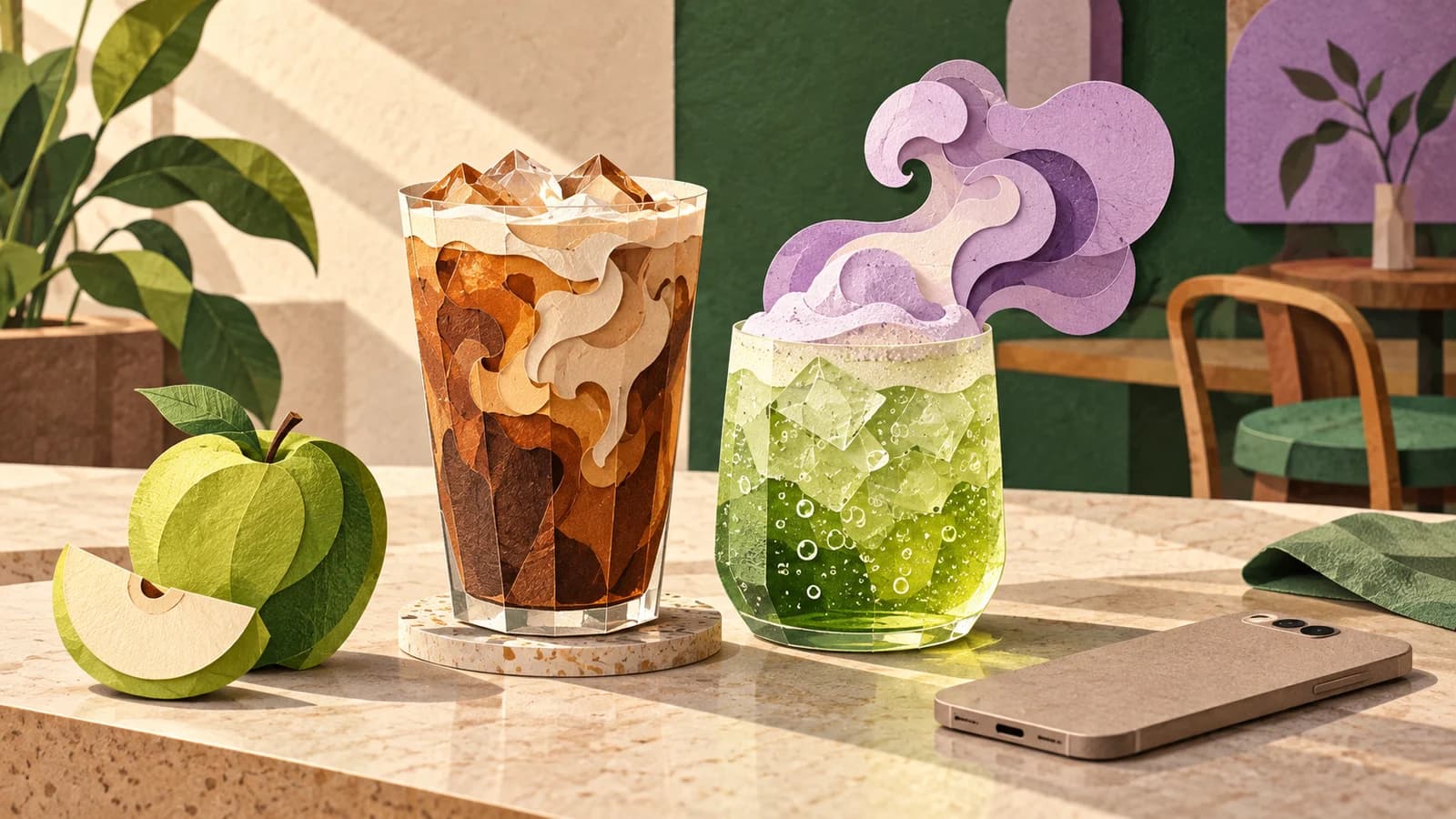
Starbucks Rewards is the loyalty program other brands study and try to copy. Sentiment analysis in 2026 showed 68% of tweets about Starbucks Rewards were positive according to Plotline's QSR marketing analysis. For a program with over 30 million active members, maintaining that positive sentiment is remarkable.
The program works because it's simple, generous, and integrated into the app experience. Customers earn stars on every purchase. Stars redeem for free drinks and food. No complex tiers, no confusing point values, no expiration headaches that plague weaker programs.
The Starbucks app transforms commodity coffee into a premium experience through gamification. Bonus star challenges, limited-time offers, personalized rewards based on purchase history. The app makes earning rewards feel like a game rather than a transaction.
Mobile ordering integration is critical. Members can order ahead, skip the line, and collect stars simultaneously. The friction of ordering and paying is reduced while the reward mechanism is seamlessly integrated. This drives both app usage and in-store visits - the data shows members visit more frequently than non-members.
The program also collects massive amounts of customer data. Purchase history, time of day preferences, product preferences, location patterns. Starbucks uses this data to personalize offers and optimize operations. A customer who always orders cold brew in the afternoon gets targeted offers for afternoon cold brew.
The weakness: Starbucks Rewards is expensive to maintain. Generous reward ratios and frequent bonus offers reduce margins. But the company views this as customer acquisition and retention cost that pays for itself through increased visit frequency and lifetime value.
McDonald's App: Volume Through Simplicity#
mcdonald's loyalty program focuses on accessibility and volume. The app is straightforward, deals are prominent, earning and redeeming points is intuitive. Reddit users consistently rank the McDonald's app highly for ease of use, noting they've used it since 2020 with no major frustrations.
The program emphasizes daily deals and limited-time offers over complex point accumulation. Customers download the app for the deals, not the loyalty points. Once they have the app, McDonald's upsells additional items and captures data.
Mobile order and curbside pickup integration drives convenience. Parents with kids in the car can order without entering the restaurant. Office workers grab lunch without waiting in line. The app solves friction points that matter to high-frequency customers.
McDonald's leverages its massive scale. Even small improvements in visit frequency or transaction size multiply across billions of annual transactions. A loyalty program that increases visits by 10-15% translates to hundreds of millions in additional revenue.
The program isn't flashy, but it works. Simplicity matters more than innovation when you're serving millions of customers daily with varying levels of tech literacy.
Chick-fil-A One: Premium Experience#
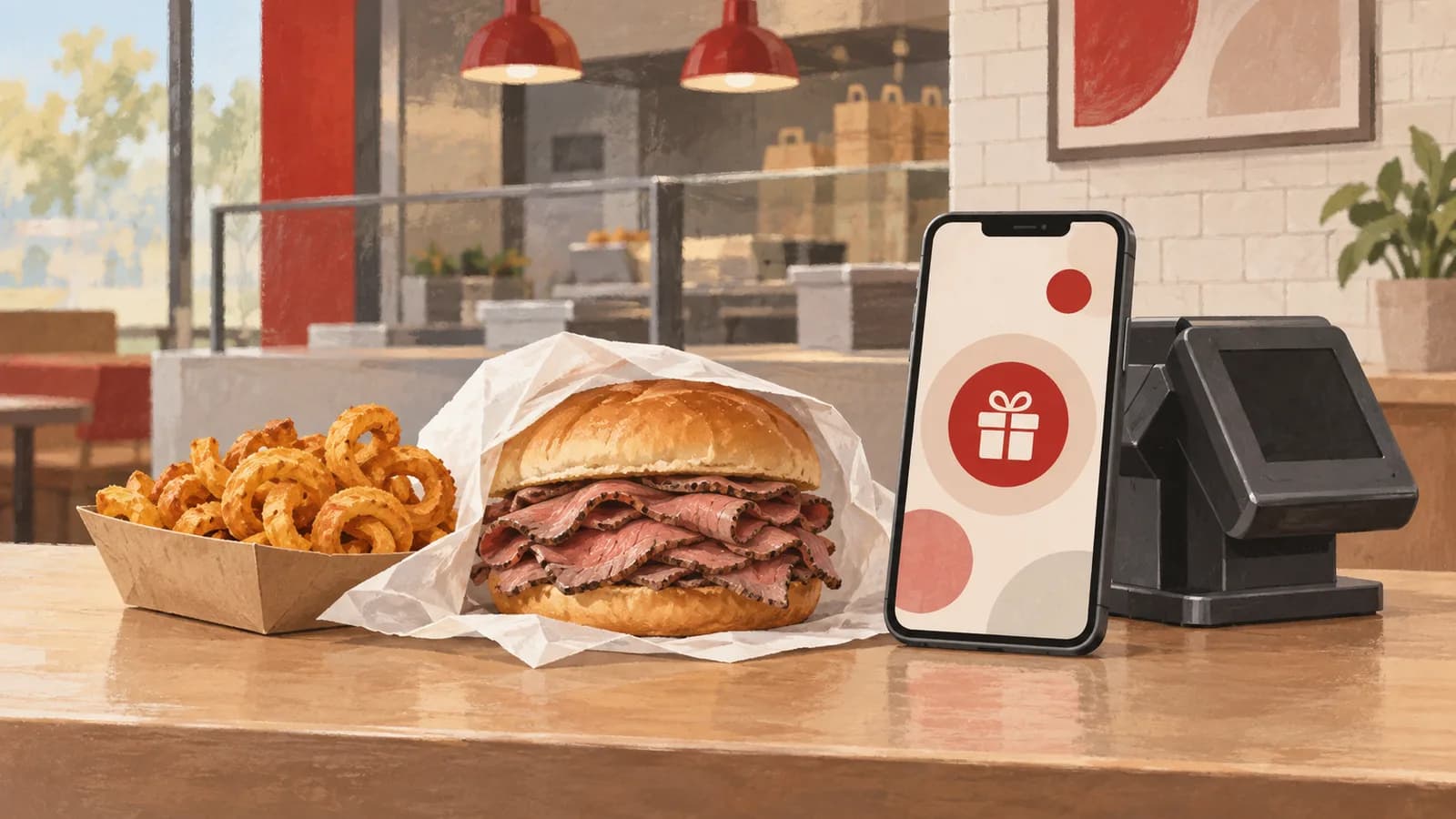
Chick-fil-A One differentiates through service integration and exclusivity. The program has tiers - Member, Silver, Red - that unlock different benefits. Higher tiers get bonus points, special rewards, and priority access to new items.
Reddit users complain that Chick-fil-A "never gives coupons" and points accumulate slowly. But that's intentional design. The program rewards frequent customers with premium benefits rather than blasting everyone with deals. This maintains margin while building loyalty among high-value customers.
The app integrates with Chick-fil-A's famous service standards. Mobile ordering maintains the same personalization and customization customers expect in-store. Curbside delivery staff greet by name when possible. The digital experience reinforces rather than replaces the service culture.
Chick-fil-A's business model doesn't depend on discounting. The brand commands premium pricing through quality and service. The loyalty program supports this by rewarding frequent visits without training customers to expect constant deals.
The tier system creates aspirational engagement. Customers who want Red status visit more frequently to unlock benefits. This gamification drives behavior without resorting to aggressive discounting.
Taco Bell Rewards: The Volume Driver#
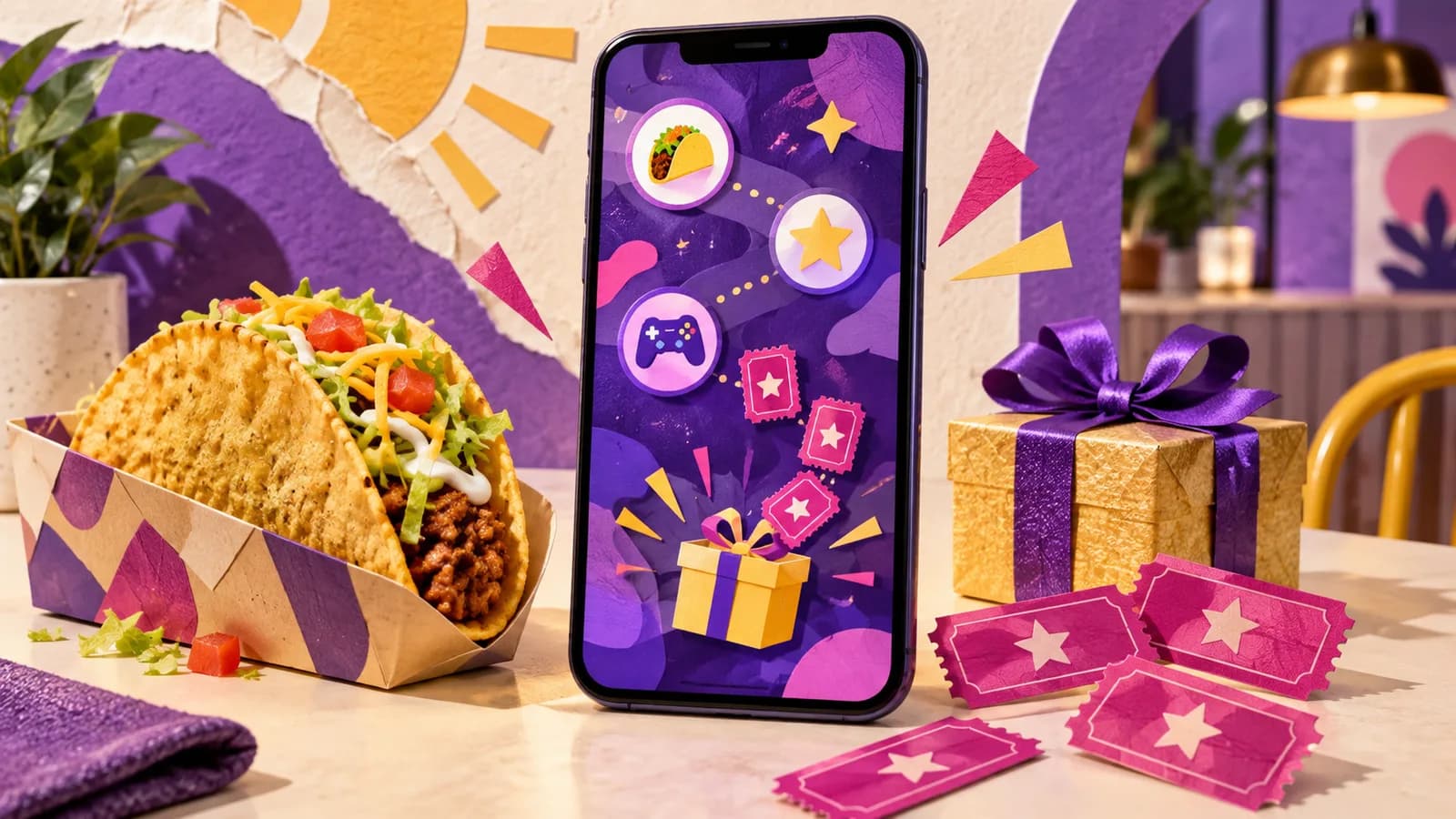
Taco Bell's loyalty program transformed visit frequency. As noted earlier, members go from 5.8 visits yearly to 10.2 - a 76% increase. That's the highest engagement lift reported among major QSRs.
The program works by making rewards achievable quickly. Points accumulate fast, redemption thresholds are low. Customers can earn free tacos, chalupas, or other menu items within a few visits. This creates positive feedback loops - frequent rewards drive frequent visits.
Reddit users note the program "used to be so much better around 2019 to 2021" when free items were more generous. Taco Bell has since adjusted reward ratios to balance cost against engagement. The program is less generous than peak but still drives strong repeat business.
Digital sales growth supports the loyalty program investment. Taco Bell projects digital sales will contribute $225,000 in incremental AUV by 2030 according to QSR Magazine's 2025 QSR 50 report. Loyalty program members drive most of that digital volume.
The app emphasizes customization and easy ordering. Late-night customers can build complex custom orders without confusing drive-thru staff. The app remembers favorites and makes reordering simple. This convenience matters for Taco Bell's core late-night and frequent-visitor segments.
Wendy's: The Confusing Mess#
Wendy's app and loyalty program consistently rank among the worst in customer feedback. Reddit users call it "so confusing the first time I used it" and note even employees get confused when customers try to redeem offers.
The problems are basic UX and program structure. Too many different types of offers - app-exclusive deals, loyalty rewards, promotional codes - that don't integrate smoothly. Customers struggle to understand what deals they're eligible for and how to apply them.
The app interface doesn't match customer expectations from using better programs like McDonald's or Starbucks. Navigation is unintuitive, redemption flows are clunky, error messages are unclear. These friction points reduce engagement and limit program effectiveness.
Wendy's is executing a disciplined growth strategy according to FoodIndustry.Com, but the loyalty program isn't a strength driving that growth. The app needs fundamental redesign to compete with better programs.
The lesson: loyalty program success isn't just about rewards structure, it's about user experience. A generous program that frustrates customers won't drive engagement. Wendy's needs to fix basic app usability before adding features.
Chipotle and the Fast Casual Problem#
Reddit users consistently rate Chipotle's loyalty program among the worst. The complaint isn't that it's confusing - it's that rewards accumulate too slowly and redemption thresholds are too high.
Fast casual faces different loyalty economics than QSR. Higher average tickets and lower visit frequency make point accumulation slower. A Chipotle customer spending $12 per visit needs more visits to earn free entrees than a Taco Bell customer spending $7.
Chipotle's program emphasizes customization and mobile ordering convenience over rewards. The app lets customers build exactly what they want without verbal communication. For customers who find in-store ordering stressful, this is valuable.
But the rewards feel stingy. Earning a free burrito requires many visits at full price. The program doesn't drive the same visit frequency lift that Taco Bell or Starbucks achieve.
The broader issue: fast casual struggles to match QSR loyalty engagement. Higher prices, less frequent visits, and different customer expectations make designing effective loyalty programs harder. Chipotle hasn't solved this problem.
What Drives Program Success#
The best loyalty programs share characteristics that weaker programs lack.
Simple earning and redemption. Customers understand how to earn points and what they can redeem without reading FAQs. Complex tier structures, expiring points, and convoluted redemption rules reduce engagement.
Achievable rewards quickly. Programs that require 15-20 visits for the first reward lose engagement. Programs that deliver rewards within 3-5 visits create positive feedback loops that drive repeat business.
App integration that solves friction. Mobile ordering, payment, and loyalty tracking in one seamless flow reduces obstacles to purchase. Apps that make ordering harder than in-person reduce engagement.
Personalization based on purchase data. Generic offers perform worse than personalized rewards tied to actual customer preferences. Programs that remember favorites and target relevant offers drive higher redemption.
Gamification that creates engagement. Bonus point challenges, streak rewards, limited-time offers. These mechanics make earning points feel like achievement rather than transaction.
Generous enough to matter. Programs where rewards feel insignificant don't change behavior. The reward value needs to justify the effort of enrollment and engagement.
Gen Z and the Loyalty Shift#
Gen Z leading loyalty signups contradicts assumptions about this demographic. They supposedly have no brand loyalty and constantly chase novelty. But PAR data shows they're the most engaged with QSR loyalty programs.
The explanation: Gen Z isn't loyal to brands for emotional reasons, they're loyal to platforms that deliver value. If a loyalty program offers tangible rewards and seamless experience, Gen Z engages regardless of brand heritage.
This shifts how brands should think about loyalty. Traditional loyalty was about emotional connection and brand identity. Modern loyalty is transactional - deliver rewards and convenience or lose engagement.
Gen Z checking in at QSR brands 33% more than fast casual (33% vs 20.8%) also shows price sensitivity matters. QSR programs offer better reward ratios and more frequent deals. Fast casual's higher prices reduce engagement despite theoretically better product quality.
Brands competing for Gen Z customers need loyalty programs that deliver immediate, tangible value through frictionless digital experiences. Brand storytelling and heritage matter less than app functionality and reward generosity.
The Data Advantage#
Loyalty Programs Are the New Moat: How Starbucks, McDonald's, and Chick-fil-A Weaponized First-Party Data customer data engines disguised as reward systems. Every transaction, every login, every offer redemption generates data about customer behavior, preferences, and patterns.
Starbucks knows which customers prefer morning coffee versus afternoon iced drinks. McDonald's knows which customers respond to breakfast deals versus lunch offers. Taco Bell knows which menu items each customer customizes and how often.
This data drives operational decisions. Inventory Management, staffing levels, promotional timing, menu development all improve with granular customer data. Loyalty programs provide that data while also incentivizing repeat visits.
The data value often exceeds the reward costs. A loyalty program with 10% redemption costs might seem expensive until you account for the operational improvements enabled by customer data. Better forecasting, reduced waste, optimized staffing, and targeted marketing all deliver ROI.
Brands without loyalty programs lack this data infrastructure. They know aggregate sales but not individual customer patterns. This disadvantage compounds as competitors optimize operations using loyalty data.
The Bottom Line#
Loyalty programs separate QSR winners from losers in 2026. Starbucks, McDonald's, Chick-fil-A, and Taco Bell drive measurable visit frequency increases and digital engagement through well-designed programs. Wendy's and Chipotle struggle with poorly designed programs that frustrate customers.
The difference isn't reward generosity alone - it's user experience, integration with mobile ordering, personalization, and gamification. Simple, achievable programs that solve customer friction points outperform complex programs with better rewards but terrible UX.
Gen Z engagement proves loyalty programs work when executed well. This demographic downloads apps and joins programs when they deliver tangible value through seamless experiences. Brand heritage doesn't matter if the app is confusing.
The data advantage matters as much as the behavioral change. Loyalty programs provide customer-level insights that improve operations, reduce costs, and enable personalized marketing. This creates compounding advantages over time.
QSRs without effective loyalty programs in 2026 are fighting with one hand tied behind their backs. Digital sales are growing to 60% of transactions by 2030. Loyalty programs drive that digital shift while capturing customer data and increasing visit frequency.
The question isn't whether to have a loyalty program - it's whether yours is actually any good. Starbucks and Taco Bell show what good looks like. Wendy's and Chipotle show what bad looks like. The gap between them is measured in repeat visits, customer lifetime value, and competitive advantage.#
QSR Pro Staff
The QSR Pro editorial team covers the quick service restaurant industry with in-depth analysis, data-driven reporting, and operator-first perspective.
More from QSR