Why Your Fast Food Order Is Wrong 15% of the Time#
Order accuracy in QSR averages 85% to 90% across the industry. That means 10% to 15% of orders have at least one error - a missing item, wrong topping, incorrect drink, or substituted side.
For a chain serving 10,000 orders per day, that's 1,000 to 1,500 mistakes. Every day.
The errors cost money. Restaurants remake orders, issue refunds, or comp future purchases. Customers get frustrated and might not come back. Drive-thru lines slow down as cars pull forward to fix mistakes.
The causes are systemic: rushed employees, complex menus, poor communication, and inadequate technology. AI and automation promise to fix the problem, but progress has been slower than expected.
The Root Causes#
1. Speed pressure.
QSR employees are trained to move fast. Average order-to-pickup time targets are 3 to 5 minutes for drive-thru, 2 to 3 minutes for counter orders. Anything longer, and customers complain.
Speed creates errors. An employee rushing to hit a 3-minute target might miss a "no pickles" request or grab the wrong drink. The faster the pace, the higher the error rate.
Peak hours are worst. During lunch or dinner rush, employees are assembling orders back-to-back with no time to double-check. Mistakes compound.
2. Complex customization.
Modern QSR menus allow extensive customization. A Chipotle bowl can have 20+ variations. A Starbucks drink can be modified in dozens of ways - extra shots, different milk, flavor add-ins, temperature adjustments.
Every customization is an opportunity for error. The more complex the order, the higher the chance something gets missed.
Verbal communication amplifies the problem. A customer says "no onions." The cashier hears it and enters it. The line cook reads the ticket but misses the note. The burger comes with onions.
3. Poor kitchen display systems.
Many QSR locations still use paper tickets or basic digital screens. Orders print or display in a queue. Line cooks glance at the ticket, assemble the order, and move on.
If the ticket is hard to read, missing information, or buried under other tickets, errors happen. A "no cheese" request gets overlooked. A side order doesn't print. The wrong size drink gets poured.
Newer kitchen display systems (KDS) improve accuracy by color-coding modifications, flagging special requests, and tracking order status in real time. But not all chains have upgraded.
4. Training gaps.
High turnover in QSR means many employees are new and undertrained. A worker on their second shift is more likely to make mistakes than someone with six months of experience.
Training programs vary widely. Some chains invest heavily in onboarding and ongoing training. Others throw new hires onto the line with minimal preparation.
The result: inconsistent execution across locations and shifts.
5. Miscommunication between front and back of house.
In a traditional QSR setup, the cashier takes the order and relays it to the kitchen. The more handoffs, the more opportunities for mistakes.
A customer says "no mayo." The cashier forgets to enter it. Or they enter it, but the kitchen misses it. Or the kitchen makes it correctly, but the cashier bags the wrong sandwich.
Each handoff is a failure point.
6. Menu complexity.
The average QSR menu has grown significantly over the past decade. McDonald's offers 60+ items. Taco Bell has 80+. Starbucks lists hundreds of drink combinations.
More menu items mean more SKUs to track, more ingredients to stock, and more room for confusion. An employee grabbing ingredients in a rush might reach for the wrong sauce or bun.
Limited-time offers (LTOs) make it worse. New items require new training, new ingredients, and new assembly processes. Errors spike when LTOs launch.
Order Accuracy by Chain#
Industry studies and customer surveys suggest wide variation in accuracy across chains:
Chick-fil-A consistently ranks highest for order accuracy, with error rates around 5% to 8%. The chain's focus on training, simplified menu, and strong operational culture drive better performance.
In-N-Out also scores well, with error rates below 10%. The limited menu (burgers, fries, drinks) reduces complexity.
McDonald's and Burger King average 10% to 15% error rates, according to customer surveys.
Taco Bell and Chipotle struggle more due to high customization. Error rates can hit 15% to 20% during peak hours.
Starbucks has high error rates for complex drink orders but low error rates for simple orders (black coffee, basic lattes). Overall accuracy is estimated at 85% to 90%.
These numbers are estimates based on third-party studies and customer complaints. Chains rarely publish official accuracy data.
The Cost of Errors#
A wrong order costs the restaurant in multiple ways:
1. Remakes. If a customer reports an error, the restaurant remakes the order. That's double the food cost, plus the labor to prepare it again.
2. Refunds. Some customers don't want a remake - they just want their money back. The restaurant loses the sale and the food.
3. Comped future orders. To maintain goodwill, chains often offer a free item or discount on the next visit. That's future revenue lost.
4. Customer churn. Repeated errors drive customers away. A customer who gets the wrong order three times in a row might stop visiting entirely.
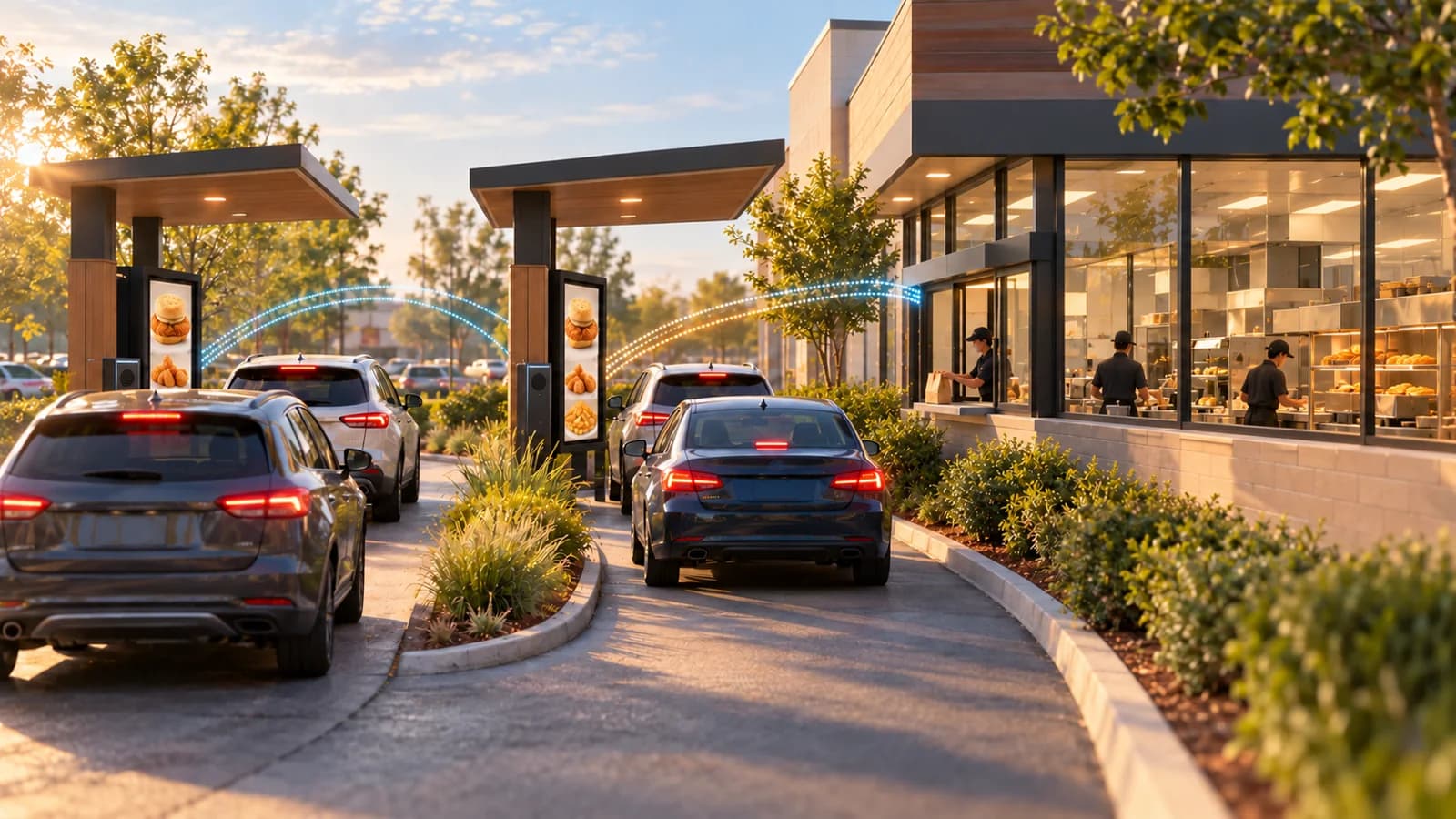
5. Slower service. Fixing errors slows down the line. A car that pulls forward to correct a mistake blocks other cars from advancing. Drive-thru throughput drops.
Industry estimates suggest order errors cost QSR chains 1% to 3% of revenue. For a chain doing $10 billion in annual sales, that's $100 million to $300 million in waste.
What AI and Automation Are Trying to Fix#
1. AI voice ordering.
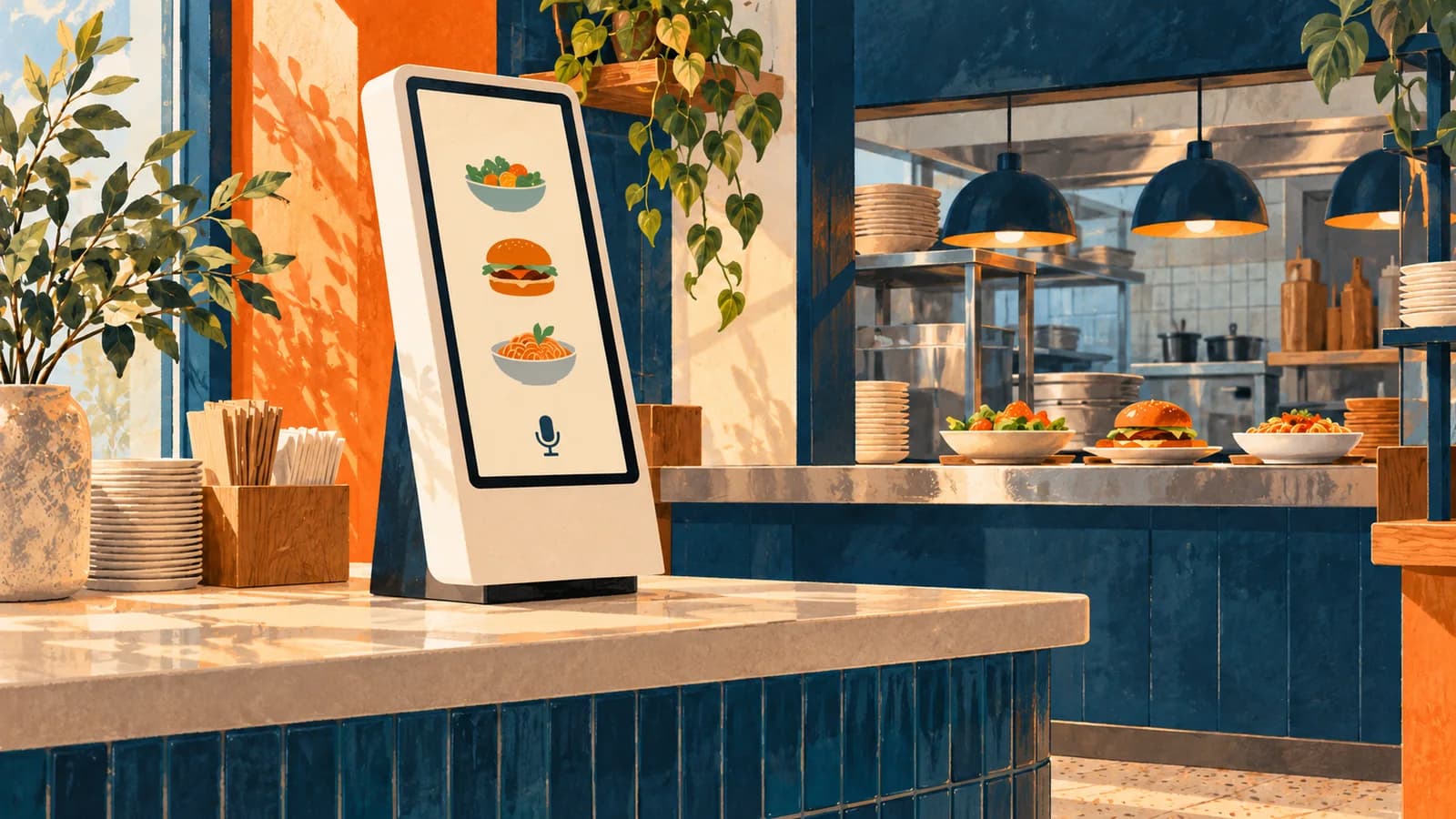
AI-powered drive-thru ordering systems promise near-perfect accuracy. The AI hears the order, confirms it with the customer, and sends it directly to the kitchen. No human error in the handoff.
The reality hasn't matched the promise. McDonald's ended its IBM AI partnership in 2024 because the system struggled with accuracy. Taco Bell and others have seen similar issues.
AI works well for simple orders but fails on complex customizations, accents, and noisy environments. Until the technology improves, human order-takers remain more reliable.
2. Kitchen automation.
Robotic fryers, automated drink dispensers, and AI-powered assembly lines could eliminate human error in food prep.
White Castle is testing robotic fryers that cook burgers with perfect consistency. Starbucks is deploying automated cold brew systems that measure and pour precisely.
These systems work for repetitive tasks - frying, pouring, portioning. But they don't yet handle full meal assembly. A robot can fry a burger, but it can't dress it with the right toppings based on customer preferences.
3. Improved kitchen display systems.
Modern KDS platforms reduce errors by:
- Color-coding modifications (red for allergies, yellow for preferences)
- Flagging incomplete orders before they leave the kitchen
- Tracking order status in real time (prepping, ready, picked up)
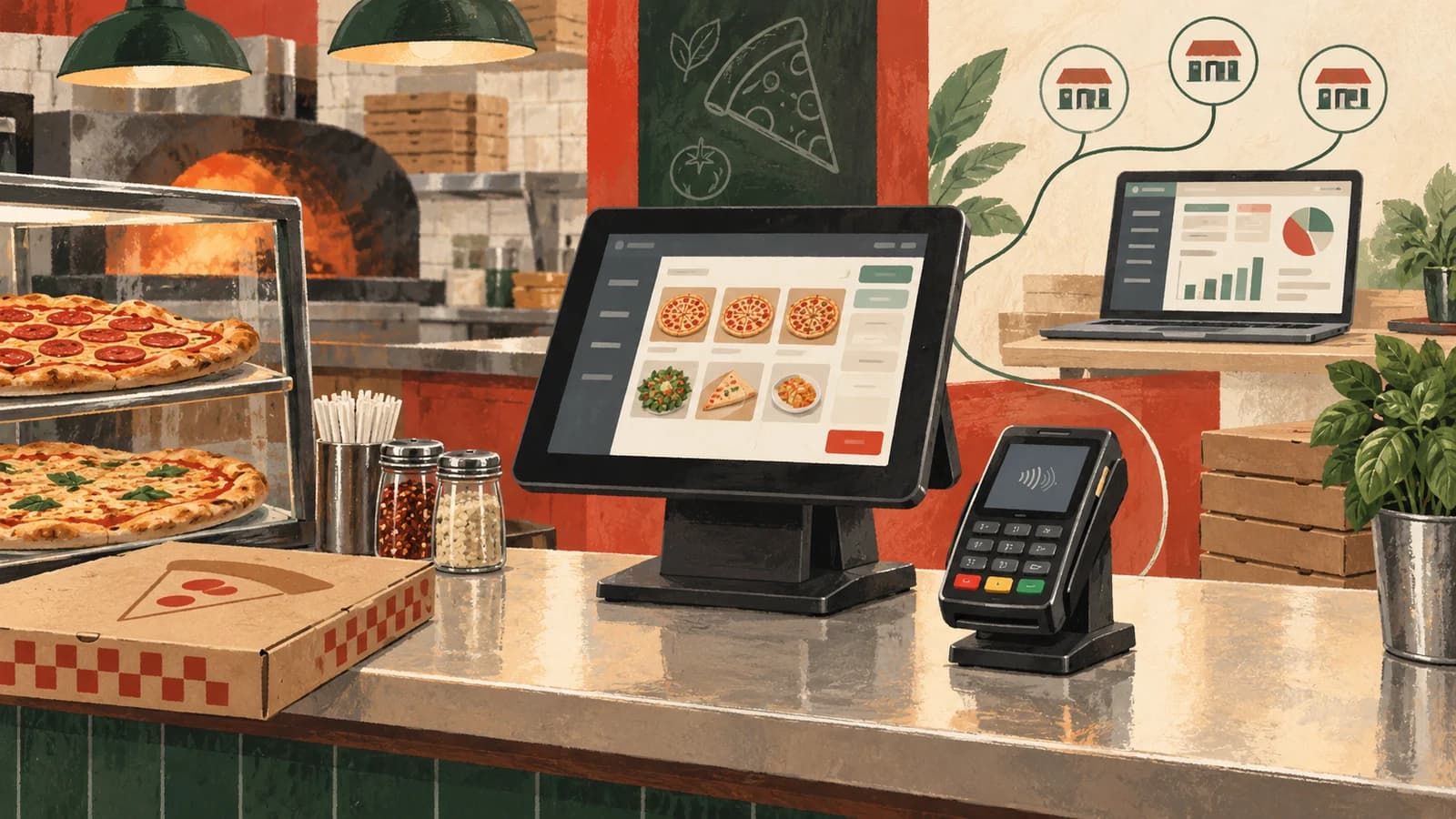
- Integrating with mobile apps and POS systems to eliminate handoffs
Chains that have upgraded to advanced KDS report 20% to 30% reductions in error rates. The technology is proven but expensive. Not all chains have rolled it out.
4. Mobile ordering.
Mobile app orders have lower error rates than verbal orders because the customer enters the order directly. There's no game of telephone between customer, cashier, and kitchen.
Apps also allow customers to review their order before submitting. If something's wrong, they can fix it themselves. This eliminates errors before they reach the kitchen.
The downside: mobile orders can still have errors in assembly or packaging. The kitchen might miss a "no onions" request even though it's clearly marked in the app.
What Customers Can Do#
To reduce the chance of errors:
- Order through the app. Typed orders are clearer than verbal ones.
- Simplify your order. The more customizations, the higher the risk of mistakes.
- Check your order before leaving. Open bags, verify items, and flag errors immediately.
- Avoid peak hours. Error rates spike during rush periods when staff are overwhelmed.
None of this should be necessary. Customers are paying for food - it should arrive correct. But until technology and processes improve, double-checking is self-defense.
The Path Forward#
Improving order accuracy requires investment in technology, training, and culture.
Technology: Upgrade kitchen display systems. Roll out mobile ordering. Test automation where it works.
Training: Invest in onboarding and ongoing education. Slow down during training periods. Accept lower throughput in exchange for accuracy.
Culture: Reward accuracy, not just speed. Track error rates by location and shift. Hold managers accountable for quality.
Some chains are already doing this. Chick-fil-A's low error rate isn't an accident - it's the result of intentional investment in people and systems.
Other chains prioritize speed over accuracy. They accept a 15% error rate as the cost of moving customers through quickly.
The 85% Standard#
For now, 85% to 90% accuracy is the industry standard. Most customers tolerate occasional errors, especially if the restaurant fixes them quickly.
But tolerance is eroding. Customers expect better. Prices are higher. Service standards have risen. A 15% error rate that was acceptable in 2010 feels unacceptable in 2026.
Chains that reduce error rates to 95%+ will differentiate themselves. Customers will notice, and they'll come back.
The rest will keep getting complaints. And losing customers.
Your fast food order is wrong 15% of the time because speed, complexity, and poor systems create mistakes. Technology can fix some of it. Better training can fix more.
But until chains prioritize accuracy over throughput, errors will keep happening.
Check your bag before you drive away.#
Related Reading#
QSR Pro Staff
The QSR Pro editorial team covers the quick service restaurant industry with in-depth analysis, data-driven reporting, and operator-first perspective.
More from QSR